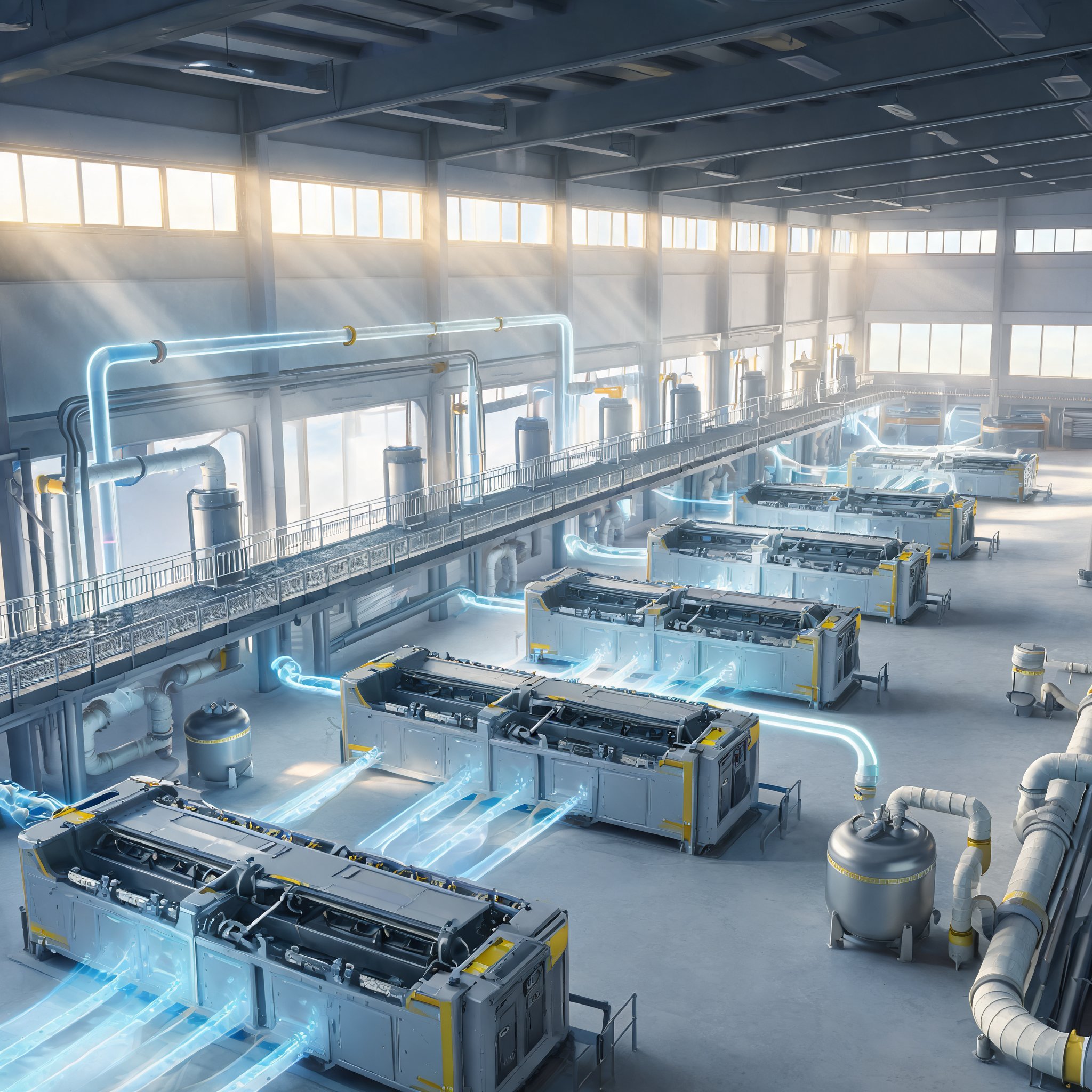
thyssenkrupp nucera has commissioned a chlor-alkali plant for Kutch Chemical Industries Limited at Padana in Gujarat, India, with an annual capacity of 220,000 metric tons of caustic soda. The unit can produce up to 675 metric tons per day of 100% NaOH, according to the companies, and ranks among India's largest single-train chlor-alkali plants.
The plant is based on thyssenkrupp nucera's BM Generation 6+ technology. Five electrolyzers have been installed, each capable of producing up to 135 metric tons per day of 100% NaOH. The company said each unit is the highest-capacity single electrolyzer currently installed in India, and that electrolyzer operations have started successfully.
Kutch Chemical will use the caustic soda and chlorine from the plant in its own production processes and to sell output in the Indian market. The addition is intended to support the company's production activities and strengthen its supply to domestic customers.
Scope and project history
thyssenkrupp nucera supplied engineering services, proprietary technology and equipment, and support during start-up and commissioning. The cooperation began in 2017, and thyssenkrupp nucera has supported progressive expansion since the initial chlor-alkali plant was implemented.
Kutch Chemical Industries is part of the Goyal Group of Industries and describes itself as an Indian manufacturer and exporter of specialty and bulk chemicals. It operates an integrated chemical complex in Gujarat with activities in chlorination, nitration and dye intermediate products.
Capacity and technology
The 220,000-metric-ton annual figure and the 675-metric-ton daily figure refer to caustic soda capacity expressed as 100% NaOH. The plant's five electrolyzers are the core production units. Their combined daily capacity at 135 metric tons per electrolyzer aligns with the stated plant-level capacity of up to 675 metric tons per day. The plant is a single-train facility with one integrated production line rather than multiple parallel trains.
Kutch Chemical's integrated complex can use the caustic soda and chlorine produced by the plant and can sell volumes designated for the Indian market. The selection of the BM Generation 6+ platform reflects a focus on efficiency and reliability for a facility serving both internal production and external sales.
Company comments
Kiran Joseph, CEO of thyssenkrupp nucera India, said the project demonstrates the role of efficient and reliable chlor-alkali technology for customers that are expanding production capacity. He said Kutch Chemical's choice of the BM Generation 6+ platform builds on technology designed to improve efficiency and reliability, and that the company was proud to contribute to the expansion.
Jai Prakash Goyal, whole-time director at Kutch Chemical India, said thyssenkrupp nucera combines proven chlor-alkali technology with project execution experience, making it a trusted partner for the company's expansion plans. He described the commissioning as an important step that supports Kutch Chemical's continued growth in the Indian market and said the company was pleased to build on the long-standing cooperation.