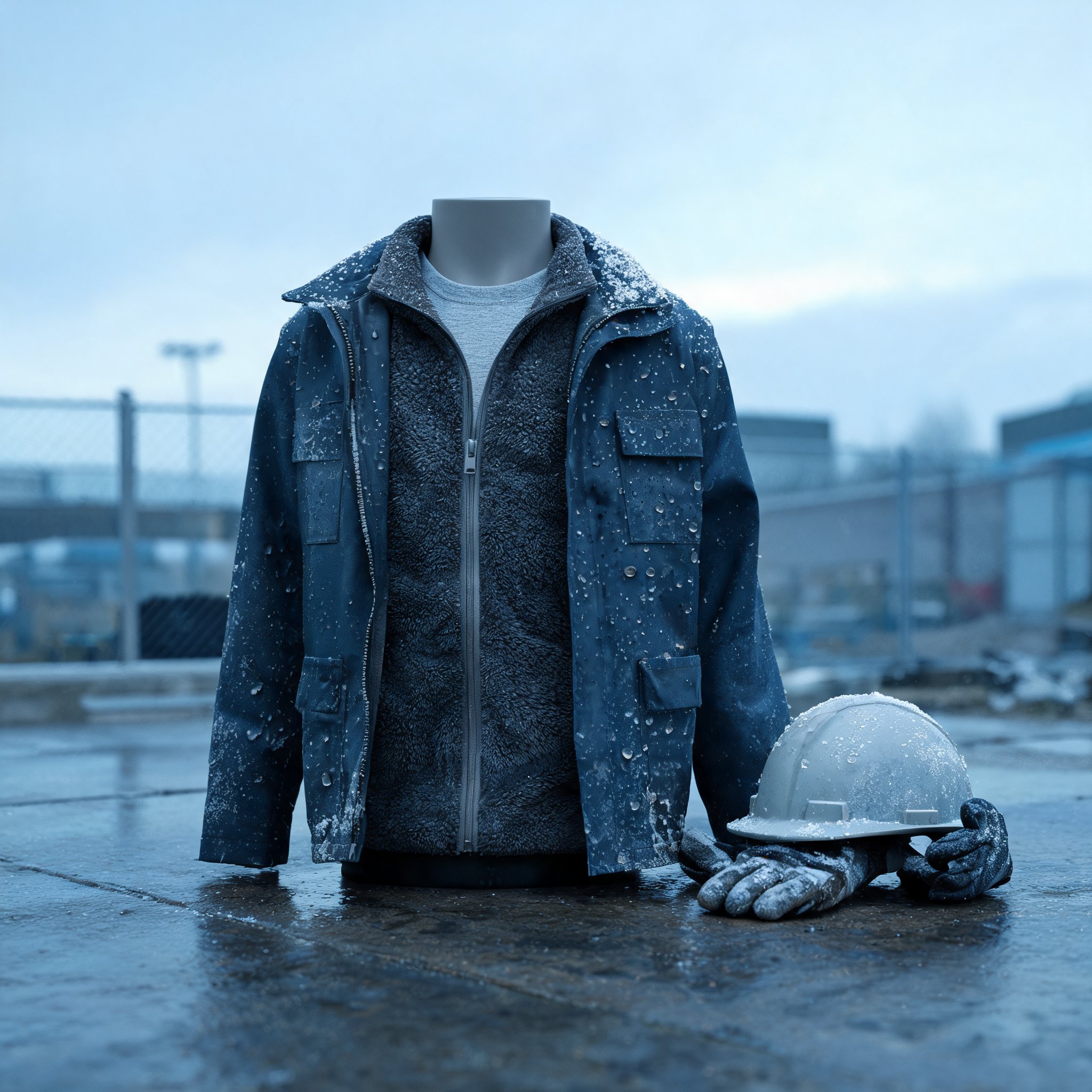
CWS Workwear International GmbH, based in Dreieich, Germany, has published guidance on five typical protection gaps in winter personal protective equipment. The company’s central point is that certified individual garments do not guarantee a compliant protective system once they are worn together.
According to the guide cited by CWS Workwear, protection gaps often emerge in the interaction between clothing layers. A jacket, midlayer or base layer may each carry certification, but the combination actually worn may fail to meet the requirements of the relevant standards. The issue is therefore not only the choice of a single product but the performance of the complete ensemble.
The guidance is aimed at outdoor work in winter, when shorter daylight hours, wet conditions and frost can change the hazard situation at many workplaces. CWS Workwear notes that PPE is often not adjusted when these conditions shift. That can leave workers exposed if the layers selected for cold and wet conditions are not assessed as a combined system.
CWS Workwear identifies five typical protection gaps. Its main warning is that employers and wearers should consider the interaction of garments rather than treating certification labels as sufficient on their own. The guidance frames layer interaction as a risk to check when winter PPE is selected and worn.