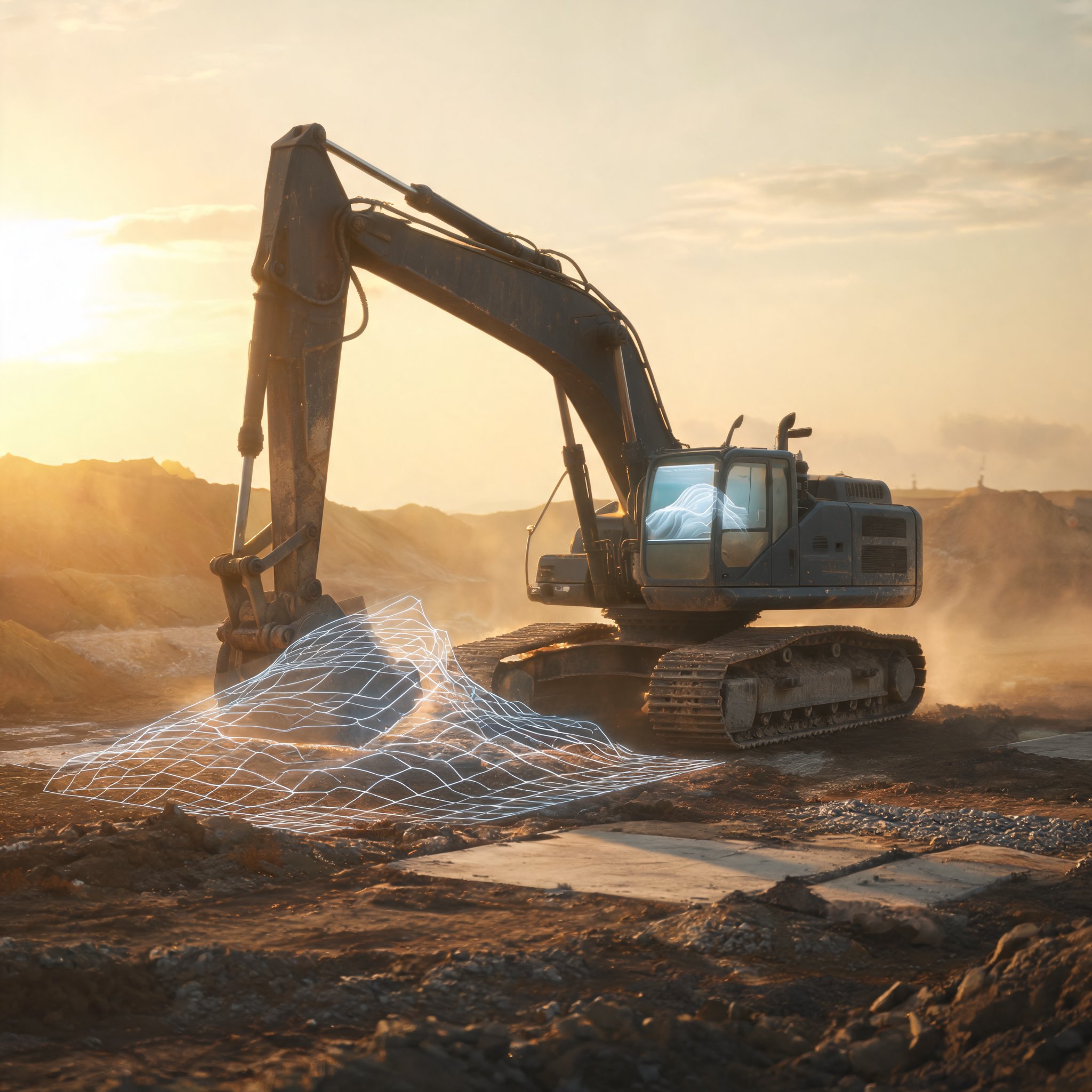
Volvo Construction Equipment and Trimble are integrating the Trimble Earthworks grade control platform directly into the Volvo Co-Pilot display on Volvo's F-series excavator platform, the two companies said.
The integrated system draws on Trimble's real-time 3D guidance. According to the companies, it is intended to help operators reach target grade faster, cut rework, reduce manual grade checks and support safer, more productive job sites.
The step builds on earlier work that paired Trimble Earthworks with Volvo Dig Assist excavator machine control, carrying that technology onto the F-series platform in an effort to connect workflows across the office, the job site and the machine.
Running Earthworks inside the Co-Pilot display removes additional in-cab hardware, speeds up daily software management and simplifies support, the companies said. The platform supports 3D constructible models, real-time guidance and connected workflows, so project information can move more efficiently between field crews and office teams.
Consolidating grade control within the Co-Pilot environment gives operators a streamlined, single-screen interface aimed at simplifying complex excavation. Volvo CE and Trimble also state that an intuitive setup shortens the learning curve, and that precise grading minimizes staking and material waste.
The companies plan to continue technical development and validation ahead of a planned start of production in the first quarter of 2027, for select Volvo excavators and markets. Ordering and support details are to be announced closer to launch.