A new menu item may look straightforward to guests, but launching it can require extensive behind-the-scenes planning, particularly when equipment must be added or upgraded across multiple restaurant locations. Bryan Musgrove, divisional senior director on national accounts for TriMark USA, has worked on numerous equipment rollouts tied to new menu items and shared several practices aimed at making the process smoother.
Create a location-by-location playbook
Musgrove recommends building a playbook that maps out how the rollout will work at each site. TriMark worked with a brand that needed new toasters so it could add toasted sandwiches to an existing breakfast lineup of biscuits and wraps. The planning had to account for physical and electrical constraints. Musgrove says some locations already have maxed-out electrical capacity. A small mall or urban location may also lack the counter space for a toaster, requiring the operator to create room by adding shelving or an extra table, which can affect workflow.
The playbook should identify which locations are plug-and-play and which need additional support, Musgrove says.
Build the schedule around manufacturer lead times
Timing should be driven by how long the manufacturer needs to produce and deliver the equipment. Musgrove suggests asking detailed questions about capacity. A manufacturer may be able to produce 200 units, but the relevant question is how long that will take. If the manufacturer can produce 10 units a week, the order could take 20 weeks. In another scenario, a manufacturer might have inventory for the first 50 units, then need eight weeks to obtain parts from overseas before completing the rest.
For a menu item tied to a marketing campaign around a specific season or occasion, Musgrove advises working backward from the desired launch date to build a timeline that can actually be met.
Consolidate packaging to simplify deliveries
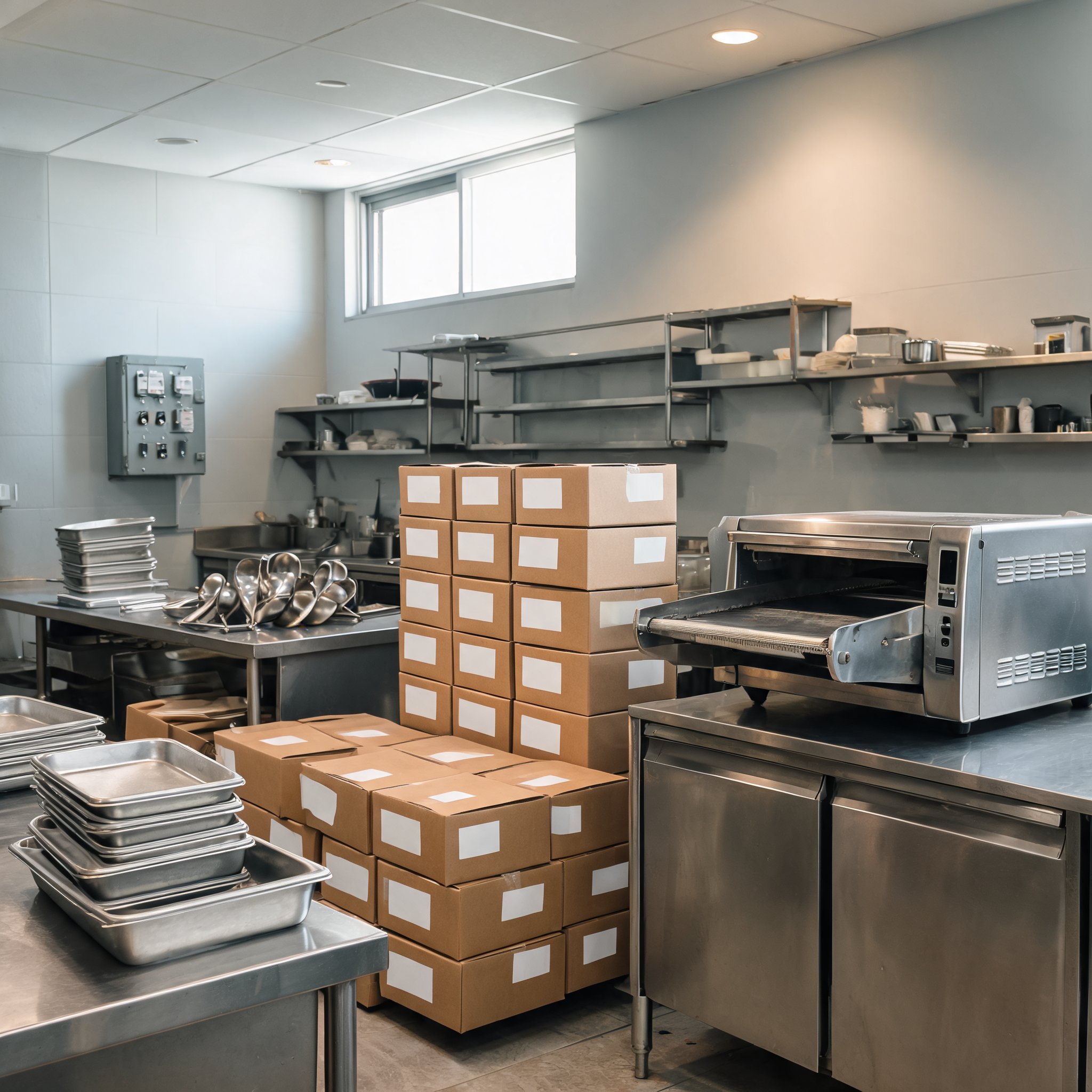
Small wares do not have to be shipped directly to each location in their original boxes. Musgrove suggests asking the dealer to consolidate and repackage items into one package per location. TriMark worked with a brand adding macaroni and cheese to its sides lineup. The addition required visual holding cabinets, pans and serving scoops in varying sizes. TriMark combined the items into one package per location, including instructional materials and exterior labeling so managers knew what they were receiving when the package arrived.
Planning for a smoother launch
Musgrove says following these practices—from determining which locations need more support to simplifying deliveries—can help operators manage an equipment rollout more smoothly. If the plan comes together, the new menu item may generate buzz and increase traffic, he adds.