Suntory has published its first climate transition plan, setting out how the Japanese drinks group intends to cut emissions across its operations and supply chain while managing climate risks to its business.
The company said it reduced greenhouse gas emissions by 19% between 2019 and 2025. It is now targeting a 30% reduction in absolute Scope 1, Scope 2 and Scope 3 emissions by 2030 against the 2019 baseline, followed by a 90% cut by 2050. Suntory also describes these goals as part of a broader commitment to net-zero emissions across the value chain by 2050.
Packaging and raw materials are identified as the main contributors to the company's footprint. Even so, Suntory said emissions linked to packaging fell by 38% between 2019 and 2025, while those from raw materials declined by 12%. The plan therefore focuses on packaging reform, including reducing material use, increasing recycled content and redesigning containers.
Packaging reform at the centre
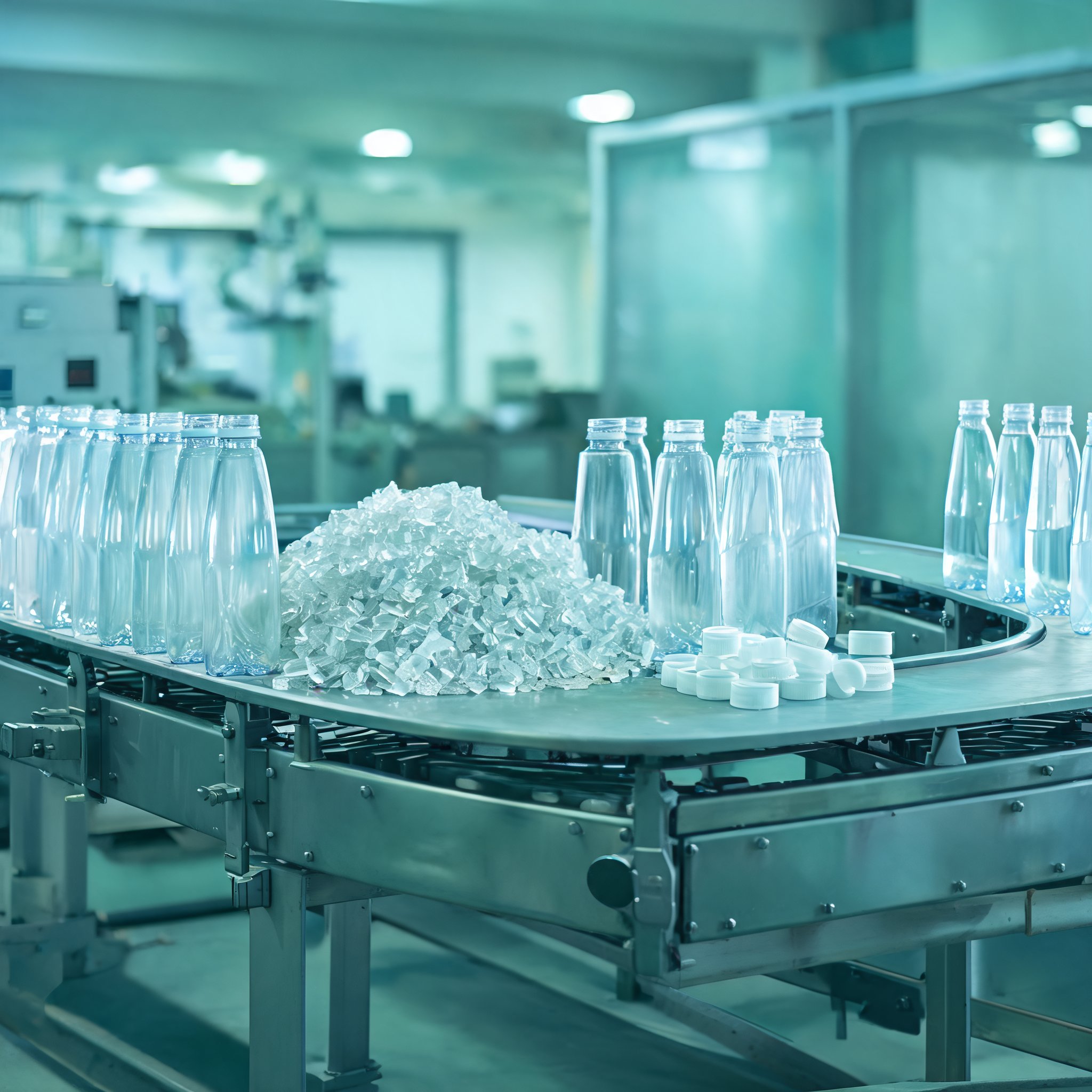
Suntory wants all primary polyethylene terephthalate packaging to be either made from 100% recycled material or produced without fossil fuels. That commitment places material sourcing, container design and recycling supply in the foreground of its transition planning. The company linked further progress to changes in production methods, energy consumption and material choices across the chain.
The plan also highlights a less favourable trend: emissions associated with co-manufactured finished products rose by 26%. Suntory said this underlines the extent to which it must rely on suppliers and contract partners to meet its targets. It has engaged suppliers representing more than half of its Scope 3 emissions.
Financial planning is part of the programme. Suntory estimates it will spend €185.4m, or £156m, on climate-related operating costs between 2027 and 2030, with packaging accounting for the bulk of that sum. The figure covers expected operating costs, not the outcomes of the plan, and the company's targets remain dependent on delivery across its own operations and its value chain.
For packaging suppliers and contract manufacturers, the plan signals continued pressure on recycled content, fossil-free materials and lower-material container designs. It also shows where the challenge lies: gains in packaging and raw materials have not prevented an increase in emissions from co-manufactured products, leaving supplier performance central to Suntory's 2030 and 2050 goals.