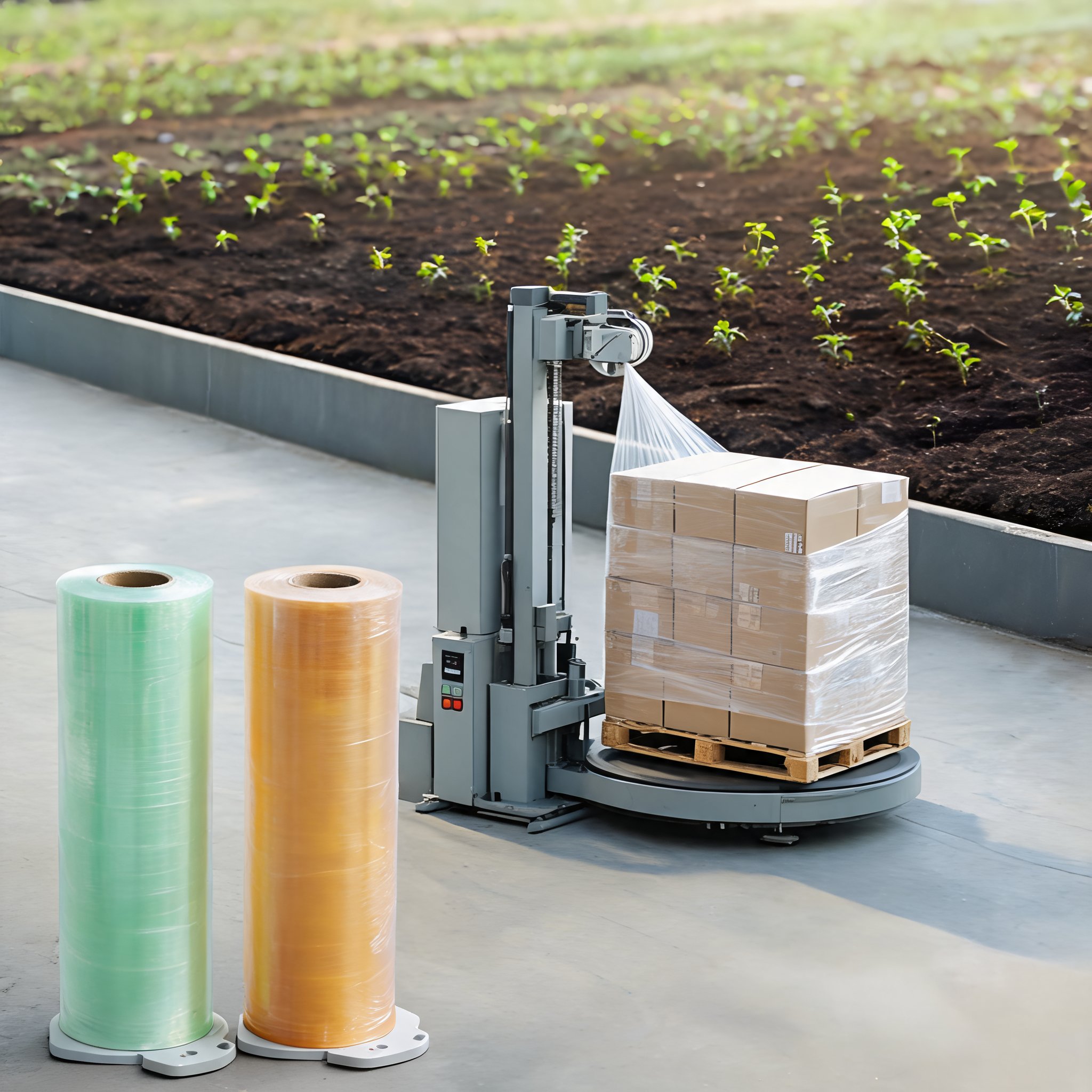
Single-use polyethylene film remains one of the largest contributors to unrecyclable plastic waste in manufacturing and logistics facilities, where substantial volumes of stretch and shrink film are used for load containment and inventory staging. Rising disposal fees, carbon reporting requirements and regional plastic surcharges are increasing pressure on plant managers to find bio-based alternatives that can run on standard packaging lines. Early bio-based films often lacked the mechanical strength needed for automated pallet wrappers, leading to tears and load failures in transit.
EcoCortec, the European subsidiary of Cortec Corporation, has developed two certified compostable packaging films for heavy-duty industrial use: EcoShrink and EcoWrap. Both are manufactured at the company's facility in Croatia and are presented as direct replacements for conventional polyethylene. According to EcoCortec, they allow operations teams to maintain pallet load stability and pursue environmental targets with existing wrapping equipment and packaging workflows.
EcoShrink is designed for heat-shrinking oversized equipment and smaller components. It is formulated with 45 percent biopolymers sourced from certified commercially compostable resins. When standard heat is applied, the film shrinks evenly to form a tough protective barrier that seals out dust, dirt and moisture during transit and extended outdoor yard storage. EcoCortec says the film maintains structural integrity indefinitely under normal storage conditions and begins breaking down only when exposed to an industrial composting environment.
For palletizing and cargo bundling, EcoCortec describes EcoWrap as the first commercially available compostable, industrial-strength stretch film. It is certified “OK compost INDUSTRIAL” by TÜV Austria under EN 13432 and ASTM D6400. A specialized tackifier formulation is intended to overcome common bioplastic performance limits, providing the cling and stretch elasticity needed on standard automated wrapping equipment without machine retrofits or workflow adjustments. The company says its high tensile strength lets operators secure heavy pallet loads with fewer wraps than conventional stretch film, reducing material consumption per unit shipped and helping mitigate plastic taxes and landfill surcharges.
EcoWrap is designed for commercial composting facilities, where it breaks down alongside organic waste into nutrient-rich soil for agricultural use, according to EcoCortec. The two films are applicable across manufacturing, e-commerce, agriculture and logistics operations, according to the company, and are positioned as a scalable alternative to conventional polyethylene films.
Stretch and shrink wrapping remain essential in modern logistics, but adding to landfill volume and unrecyclable plastic waste streams is no longer an inevitable byproduct of shipping, EcoCortec says. By adopting EcoWrap and EcoShrink, industrial operations can route used packaging to local commercial composting facilities instead of waste compactors. This allows packaging engineers and logistics managers to pursue corporate waste-reduction targets without compromising load integrity or shipping protection.