The Autumn Budget 2026 placed energy at the centre of government policy, with Chancellor John Healey announcing bill support, grid reforms and new funding for electric vehicle charging. Industry leaders welcomed short-term measures but warned they must be matched by long-term reform, skills investment and faster grid connections.
Household energy and grid connections
Healey said gas standing charges would be scrapped from 2027 “or as soon as possible after”. VAT will be removed from domestic electricity bills until 1 July 2027, and around 20 million households in council tax bands A to D will receive a £100 Household Energy Payment this winter.
The Chancellor promised cheaper, faster grid connections, though he said this “won’t happen overnight”. He said policy costs would no longer be added to bills through levies. A £2 billion Energy Wealth Fund, announced last week to channel North Sea revenues into clean energy projects, was confirmed in the Budget.
EV charging and the “driveway divide”
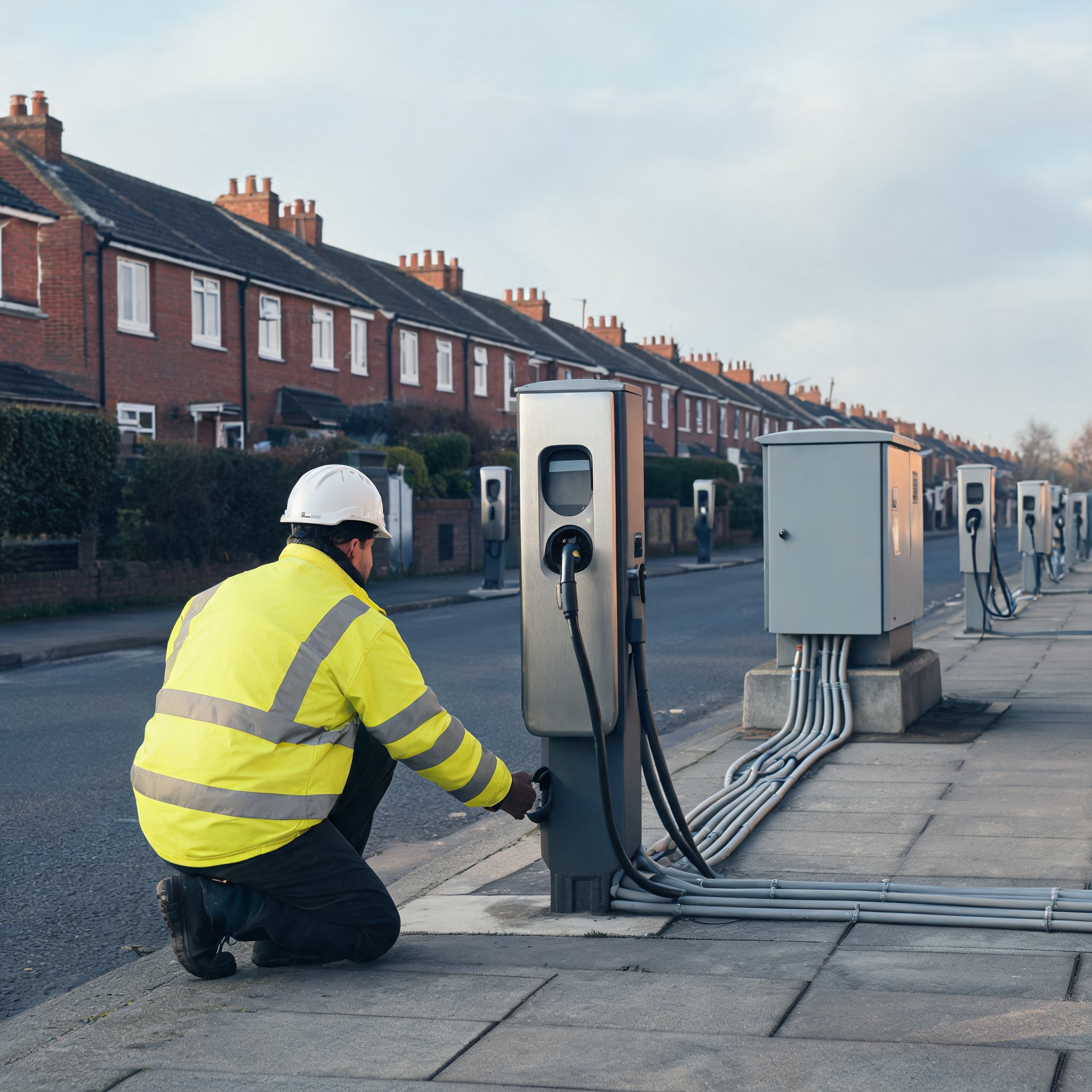
For EV charging, the government will put £100 million over 2027-28 and 2028-29 towards cutting prices at existing local, lower-powered public chargepoints. Support begins in spring 2027. A new taskforce will examine whether drivers without off-street parking could use their home electricity tariff at local chargers, following the government-commissioned Cost of Public Electric Vehicle Charging Review published alongside the Budget.
VAT on public charging remains at 20%. The Depot Charging Scheme has reopened with a further £38 million for chargers for electric trucks, vans and coaches.
Oliver Brighton, CFO of char.gy, said households without driveways rely on street-level charging, not motorway stops. Councils know where residents need chargers but need freedom and long-term funding certainty to install them at scale. He said devolution measures could give local authorities more flexibility, and new funding arrangements could help them move beyond piecemeal projects to neighbourhood-wide programmes with private operators.
Ben Nelmes, CEO of New AutoMotive, said it was unfair that people who cannot charge at home must pay significantly more for electricity. He welcomed steps to let drivers use their home tariff at local chargepoints and said the work must move at pace to end Britain’s “driveway divide”.
Simon Smith, CEO of Voltempo, said the aim was not more money but making public investment work harder. Electric trucks can deliver running-cost savings, but hauliers need depot power to unlock them. He warned that funding chargers without supporting infrastructure risks leaving businesses with unusable equipment, and called for support for the full cost of making depots electric-ready.
Tanya Sinclair, CEO of Electric Vehicles UK, said the Chancellor had addressed immediate pressure on household budgets but could not help motorists with one hand while making the switch to electric harder with the other. She said more drivers could benefit if policy barriers keeping public charging expensive were tackled, particularly for those without driveways, and criticised consideration of weakening the ZEV mandate.
Support for contractors
For contractors running their own businesses, the main rate first-year allowance on plant and machinery rises from 40% to 50%. Business mileage rates above 10,000 miles rise from 25p to 35p, and the 5p fuel duty cut is extended to July 2027. The National Living Wage will rise by 3.9% to £13.20 an hour from April 2027. The lifetime limit on Business Asset Disposal Relief halves from £1 million to £500,000 from April 2027.
The Budget also announced a £700 million AI package and a commitment to a more business-friendly visa system for high-skilled workers.
Industry reaction: skills, AI and North Sea
David Hall, zone president UK and Ireland at Schneider Electric, said energy’s central place recognised the pressure high costs place on UK industry, constraining competitiveness and investment. Removing standing charges, cutting VAT and cheaper EV charging were important steps, but immediate relief must be matched by long-term reform to bring down the structural cost of energy.
Hall said businesses need confidence and certainty to invest in infrastructure and energy-management systems that help them understand consumption, reduce waste and manage demand. On skills, he called for practical, employer-led training, upskilling and targeted investment in further-education colleges, high-quality apprenticeships and flexible retraining. On AI, he said the £700 million package should translate into practical gains, with operational data connected to energy-management and automation systems. He cited research finding that 48% of UK industrial leaders see profitability and efficiency as a leading incentive for autonomous technologies, while only 8% have reached full autonomy.
George Morrison, CEO of Aquaterra Energy, called for Rosebank to be approved after last week’s go-ahead for Jackdaw. He said tax policy must support the investment that generates North Sea revenues if they are to help fund the UK’s energy future. Morrison said the Chancellor confirmed Jackdaw would add an estimated £2.9 billion to the UK economy, and urged approval of Rosebank. A credible project pipeline gives businesses confidence to invest, he said, but they need visibility beyond the next contract.